Hotline: +381 61 63 84 071




Togetherness is learned on the court, too: young people in Novi Pazar are changing the rules of the game
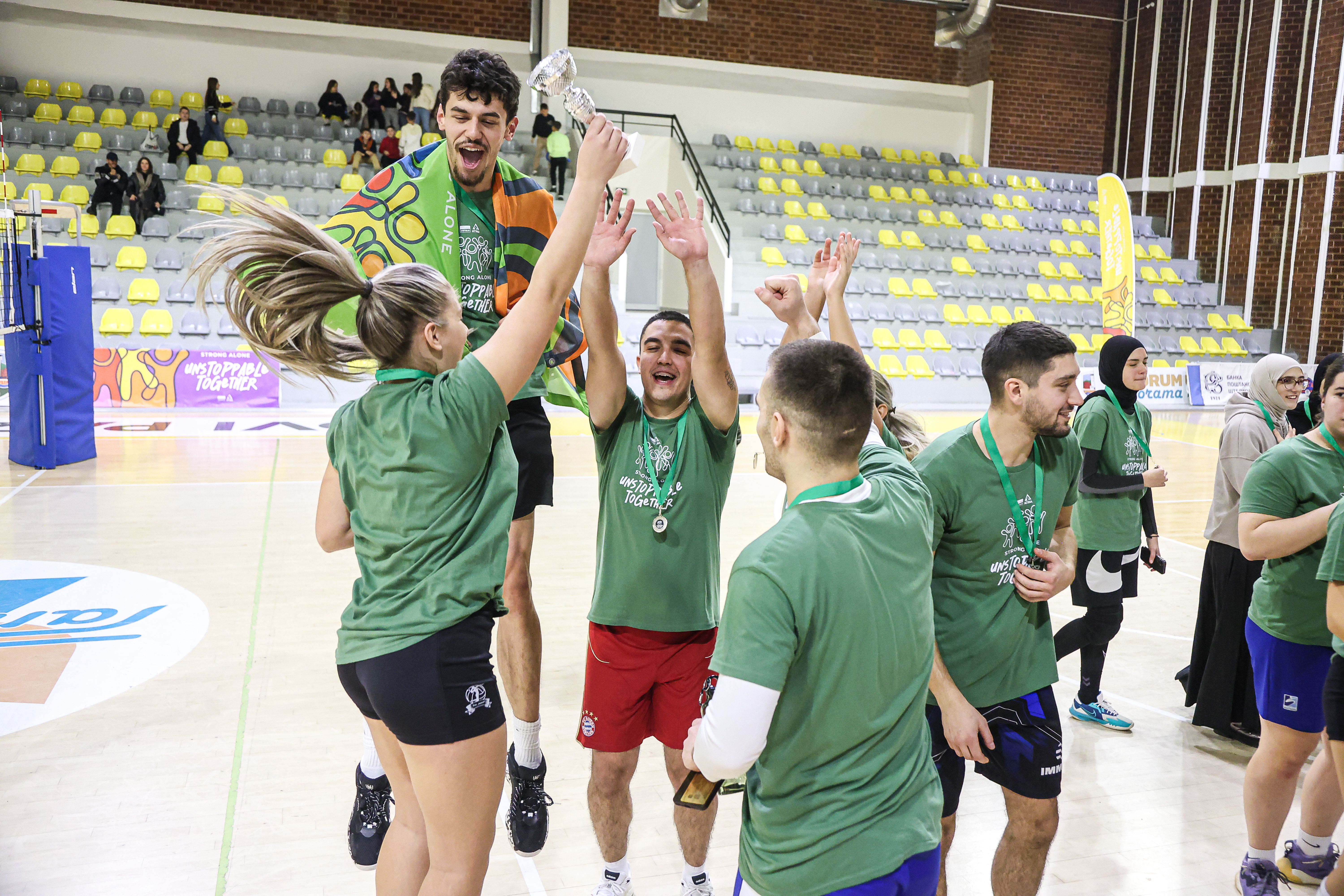
Photo: Seid Vejselović
Togetherness is learned on the court, too: young people in Novi Pazar are changing the rules of the game
What does it take for a team to succeed? Is it enough to have the best players, or is it more important to learn to trust one another, recognize the strength of diversity, and understand that everyone has a role to play? And what happens when we carry those same values from the sports court into the communities where we live?
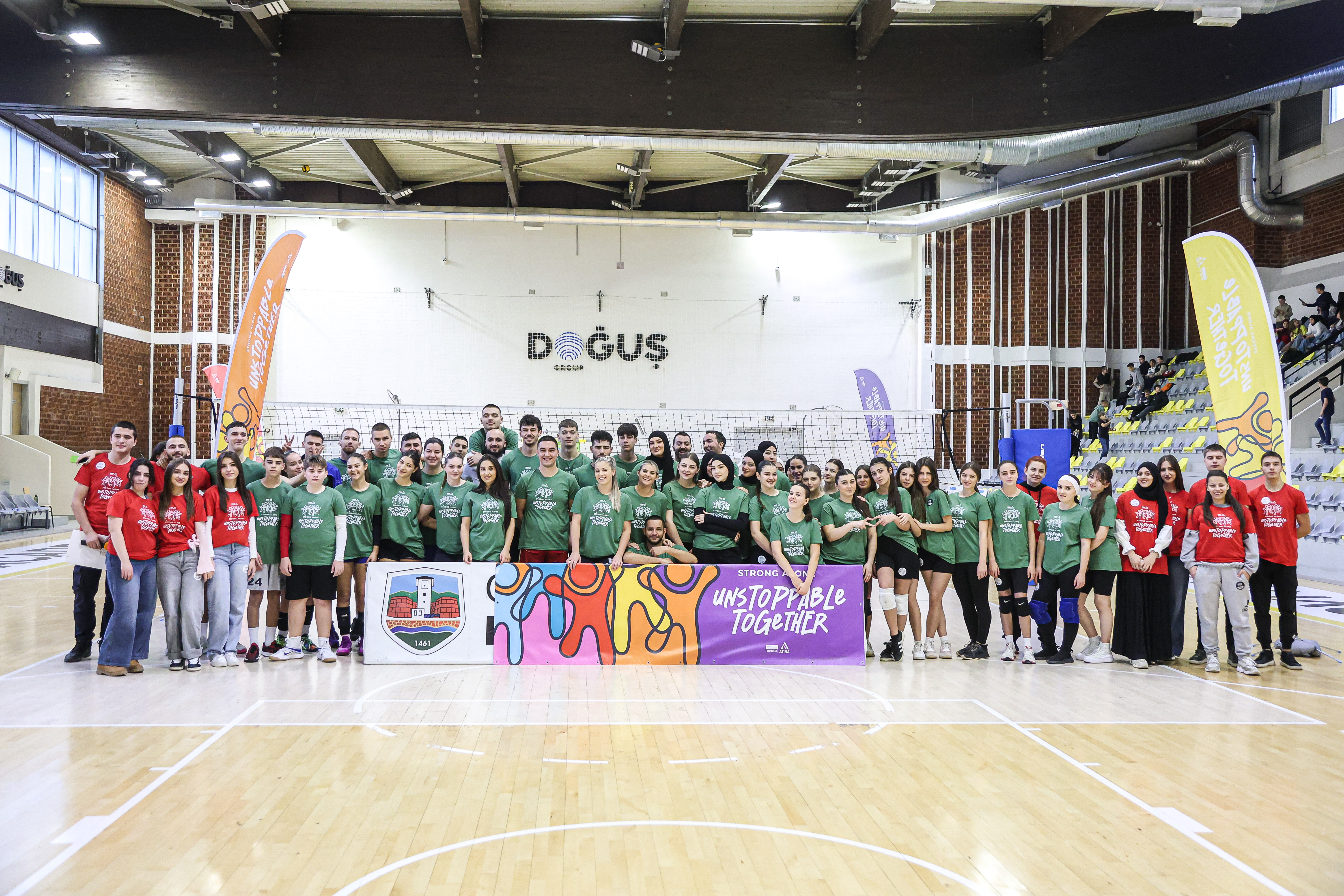
These questions were at the heart of a volleyball tournament that brought together 62 young people from Novi Pazar in December, as part of the project “Strong alone, unstoppable together - sport for social justice”, implemented by NGO Atina with the support of the Swedish Postcode Lottery Foundation.
At first glance, it was a day dedicated to volleyball, matches, competitive spirit and spending time together. But behind every serve, pass, and collective effort to score a point was something far more important to this program than the final result: an opportunity for young people to build trust, solidarity, responsibility, and a sense of belonging through shared experiences.
In volleyball, no point comes from a single move. For the ball to reach the other side of the net, someone needs to recognize the situation, someone else needs to provide support, and a third person needs to take responsibility. Players need to communicate, listen, respond, accept mistakes, and keep going together. This is where we find one of sport's most important lessons for young people: togetherness doesn't mean we are all the same, but that different abilities, experiences, and perspectives can become our collective strength.
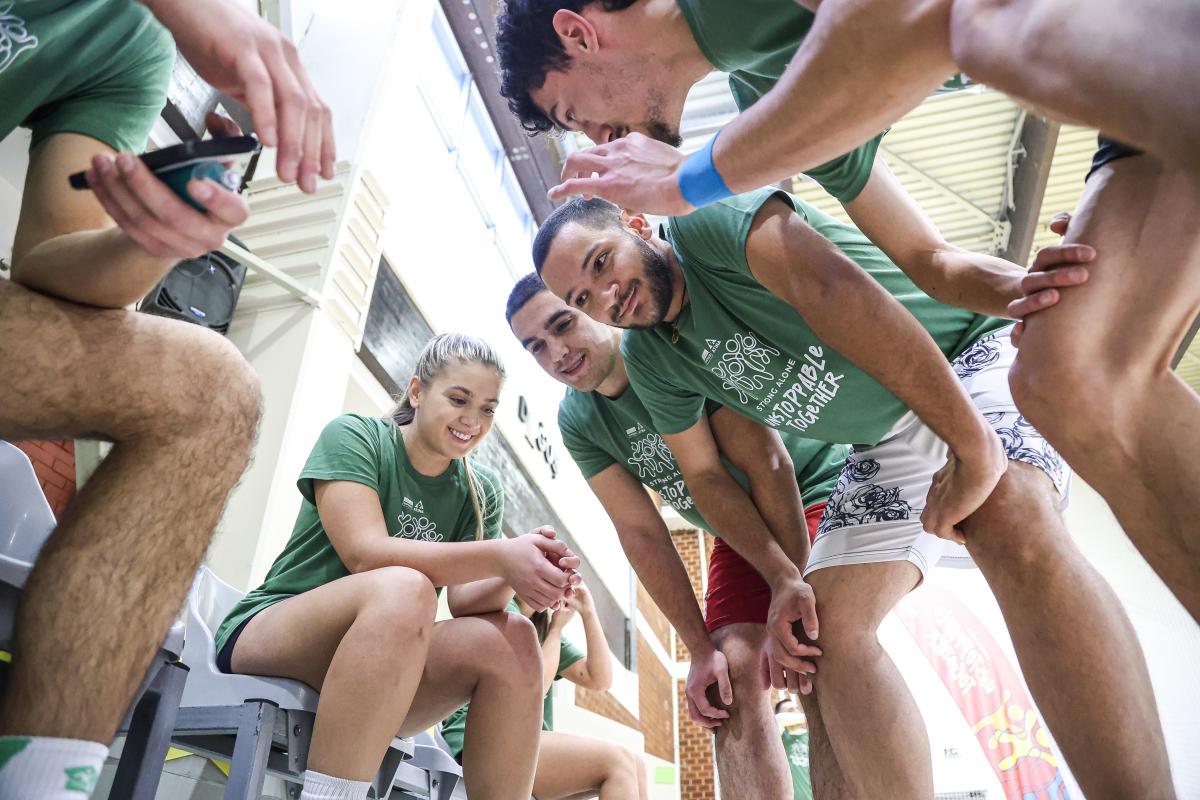
Photo: Seid Vejselović
More than a match: a space where everyone has a role
For young people growing up in a society where divisions, stereotypes, and different forms of exclusion still exist, opportunities to connect and act together matter especially.
Sport can provide one of the spaces where such boundaries are challenged. On the court, what matters most is not where someone comes from, which social group they belong to, or how outspoken they are outside the game. What matters is how we cooperate, whether we support one another, how we respond when someone makes a mistake, and whether we are willing to share success with others.
However, sport does not automatically guarantee equality and inclusion. Sports environments can also reproduce gender stereotypes, discrimination, exclusion and the power imbalances that exist in society. This is why sporting activities need to be designed to encourage mutual respect, equal participation and cooperation, rather than measuring their value solely through victories and defeats.
Atina develops its program with young people on these principles, connecting sport with non-formal education, human rights, gender equality, and the prevention of violence and human trafficking.
The volleyball tournament in Novi Pazar provided an opportunity to put this approach into practice through a shared experience. Through matches, accompanying activities, and time spent together, young people had space to connect, share experiences, and build relationships that don't end with the referee's final whistle.
From teamwork to active participation in the community
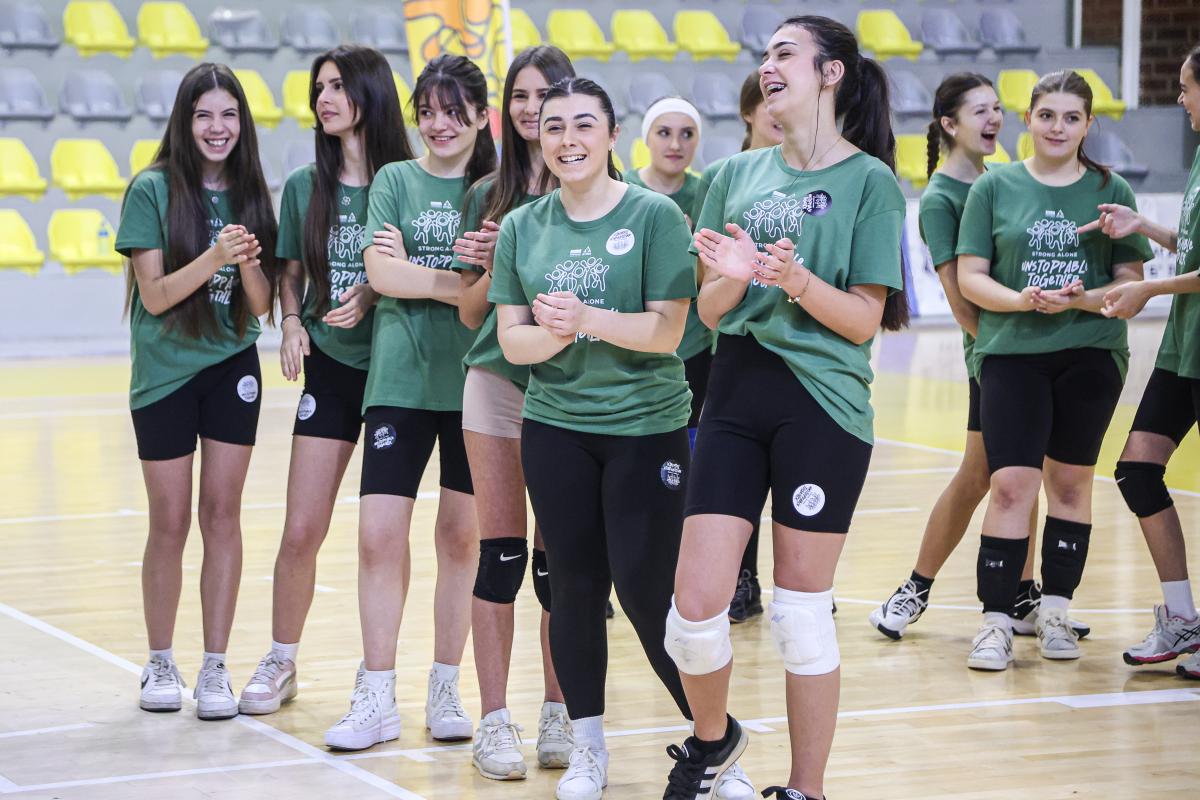
Photo: Seid Vejselović
One of the central ideas behind the project “Strong alone, unstoppable together” is that young people should not simply participate in activities others design for them. Their views, experiences, and ideas should shape decisions that affect their lives and communities.
This is why it is important to create spaces for young people not only when we want to teach them something, but also when we are ready to listen.
Teamwork, communication, taking responsibility and resolving disagreements are not just sporting skills. They also matter when young people want to launch an initiative at school, draw attention to injustice, challenge discrimination, support a peer experiencing violence, or propose a change in their local community.
This is why sport isn't a stand-alone activity in this program, but part of a broader process that helps young people develop skills, build relationships, and recognize their ability to take action.
“Our voice can change the rules of the game,” said one tournament participant.
This statement captures what we hope to achieve through the project: for young people to recognize that their voices matter, that they have the right to participate, and that change in their communities does not have to wait for some distant future.
Togetherness does not end on the sports court
When young people often face pressure to fit in, compete, and prove their worth, it is important to create spaces where they can cooperate, experiment, make mistakes, learn, and feel accepted.
For Atina, preventing violence and discrimination begins here: in the relationships we build, in how we learn to recognize injustice, in our willingness to respond when someone is excluded, and in ensuring everyone can participate in community life without fear of rejection because of their differences.
The volleyball tournament in Novi Pazar therefore matters not only because of the number of participants or matches played. Its significance also lies in the message that sport can be a space where we learn and practice the values we need beyond the court.
Togetherness isn't created only when we play for the same team. It also grows when we recognize that we all have the right to opportunities, support, respect, and a voice in the communities we belong to.
“Strong alone, unstoppable together” is more than just the name of a project. It represents a vision of a society in which individual strength does not come at the expense of others, but grows even stronger when we bring our strengths together.
*The volleyball tournament in Novi Pazar was organized as part of the project “Strong alone, unstoppable together sport for social justice”, implemented by NGO Atina with the support of the Swedish Postcode Lottery Foundation.




 FACEBOOK
 TWITTER
 YOUTUBE