Hotline: +381 61 63 84 071




Digital violence among children and youth is on the rise: one in four people has experienced violence
Digital violence among children and youth is on the rise: one in four people has experienced violence
Photo made by Mirjana Dzuverovic
If violence goes unreported and responsibility is shifted onto victims, this is not an individual issue; it is a sign that the protection system is not functioning effectively.
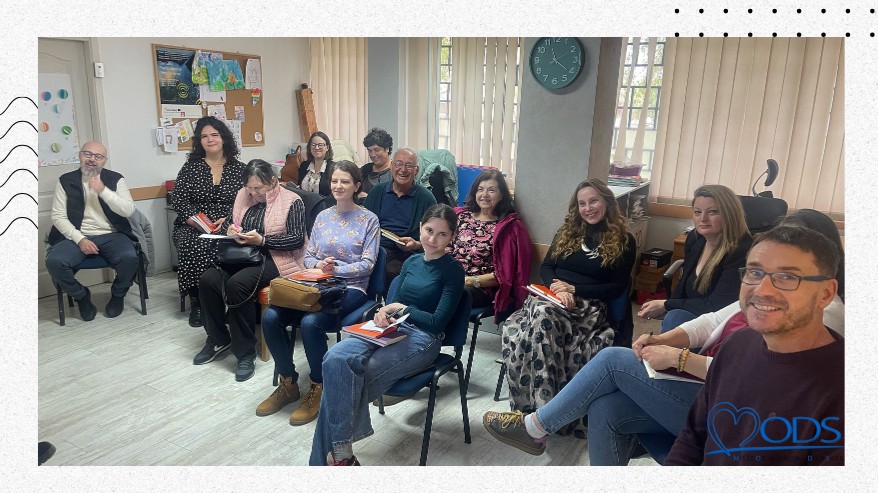
A meeting of the Network of organisations for children of Serbia (MODS) thematic group, dedicated to protecting children from violence, was held on 27 March in Novi Sad. The meeting brought together member organisations to exchange experiences and define further steps towards improving child protection in Serbia.
During the meeting, Jelena Hrnjak, representative of NGO Atina, presented the findings of the research “Ne lajkuj nasilje”, which point to alarming trends: one in four people has experienced digital violence, while the majority of cases remain unreported. The reasons include fear, stigma, and a lack of trust in institutions and their responses.
The findings clearly show that violence in the digital space continues to be minimised, while responsibility is often shifted onto victims themselves. At the same time, institutional responses remain sporadic, inconsistent, and insufficiently tailored to the needs of children and young people.
These findings point to an urgent need for a stronger, coordinated, and trauma-informed approach within the national child protection system, including: consistent implementation of existing protection mechanisms; strengthening institutional capacities to recognise and respond to digital violence; greater media accountability in preventing the normalisation of violence; and the active involvement of children and young people in designing solutions.
At the meeting, the director of MODS, Saša Stefanović, also presented plans for developing a Programme for the Protection of Children from Violence, along with a new set of procedures and mechanisms for organisations working with children, aimed at improving protection standards and practices.
In addition, Dr. Jovana Škorić presented research on secondary school students and fan groups, showing that these groups provide young people with a strong sense of belonging and identity, but often through violent and risky behavioural patterns, with particularly pronounced risks among students in vocational secondary schools.
In the final part of the meeting, member organisations presented their programmes, from professional trainings and the development of specialised support services to prevention programmes in schools, peer education, and initiatives aimed at strengthening youth participation.
Atina’s participation in this meeting reaffirms that protecting children from violence cannot be fragmented; it requires continuous cooperation between institutions and civil society, clearly defined responsibilities, and a system that responds in a timely, consistent manner, and in the best interests of the child.
Because without trust in the system, there is no reporting, no protection, and no justice.



 FACEBOOK
 TWITTER
 YOUTUBE