Hotline: +381 61 63 84 071



Justice for victims of human trafficking in Serbia moves slowly
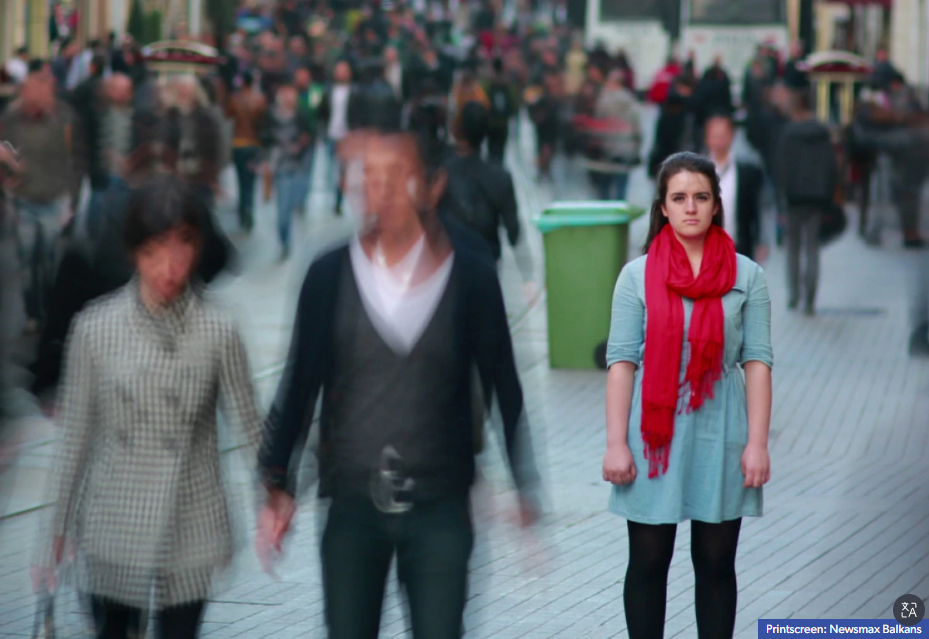
According to a report by the Organization for Security and Co-operation in Europe, Serbia is not identified as a hotspot for human trafficking. However, this does not mean that sexual and labour exploitation have been eradicated in the country. There are numerous trafficking cases, with victims most often being young people and children, and justice for them is extremely slow.
Author: A.B., 26 March 2026
Serbia is a country with the highest number of identified victims of human trafficking in the region, and also one where court proceedings in such cases take a very long time.
Speaking on the TV show Otvori oči, Jelena Hrnjak from NGO Atina pointed out that it is not only up to victims to recognise themselves within the cycle of trafficking, but society as a whole must play a role in this process.
“It is extremely important to believe the victim. Cooperation between the police, prosecution, and civil society organisations is key to initiating investigations,” she told Newsmax Balkans.
Victims fear perpetrators, particularly the risk of retaliation and judgment from their families.
“Women in positions of power fear they have much to lose in the public sphere if they are publicly shamed, for example, through the distribution of intimate photos and videos,” Hrnjak explained.
Victims of sexual exploitation face many questions: Do they have a place to return to? Can they go back home at all? What will their families say?
“Traffickers are well aware of this and use manipulative methods such as threats and blackmail,” she warned.
Victims of labour exploitation fear deportation
In cases of labour exploitation, foreign nationals often fear threats of deportation from Serbia.
Speaking about labour exploitation, one of the most prevalent forms of trafficking in Serbia, Hrnjak referred to the growing influx of migrant workers:
“There are large numbers of foreign nationals coming to work in Serbia. At the same time, some members of the local population have emigrated in search of better opportunities. Many positions remain unfilled, creating a strong demand for foreign labour on the market,” she explained.
Hrnjak also noted that exploitation is particularly prevalent within the European Union itself:
“For example, Romania, as an EU country, has one of the highest numbers of identified trafficking victims. Most Romanian girls and young women are exploited within the EU itself,” she stated.
When asked about the recovery process for trafficking victims, Hrnjak emphasised that it is long-term and cannot happen overnight:
“In our organisation, we build trust-based relationships. We work together with survivors across all areas of their lives, trying to open up opportunities for them. During this process, victims must be provided with safe accommodation, legal support, and psychological empowerment,” she concluded.
The highest number of victims in Ukraine and Moldova
According to the latest OSCE report on human trafficking, between 2021 and 2024, a total of 102,000 trafficking victims were registered.
What is particularly concerning is that this does not reflect the real number of victims, but only those who have been identified and reported.
The 2026 OSCE report indicates that labour exploitation, particularly in the construction sector, is the most common form of trafficking. This is followed by sexual exploitation and forced criminal activity, with frequent cases of multiple forms of exploitation.
Those most often targeted by traffickers are individuals in vulnerable life situations. Women and children are among the most at risk, while conflict and crises further contribute to the spread of this form of crime.
The research included 69 European countries, with the highest number of victims recorded in Ukraine and Moldova.
According to the report, in 2024, the capacity to identify trafficking cases improved, but at the same time, the scale of the crime increased.
Watch Jelena Hrnjak’s appearance on Otvori oči in the video below.
Jelena Hrnjak: Saradnja je ključna za borbu protiv trafikinga



 FACEBOOK
 TWITTER
 YOUTUBE