Hotline: +381 61 63 84 071





The bitter bread of foreign workers in Serbia
STIGMA
The bitter bread of foreign workers in Serbia
12:38, March 31, 2026 | FoNet | Bojana Milovanović
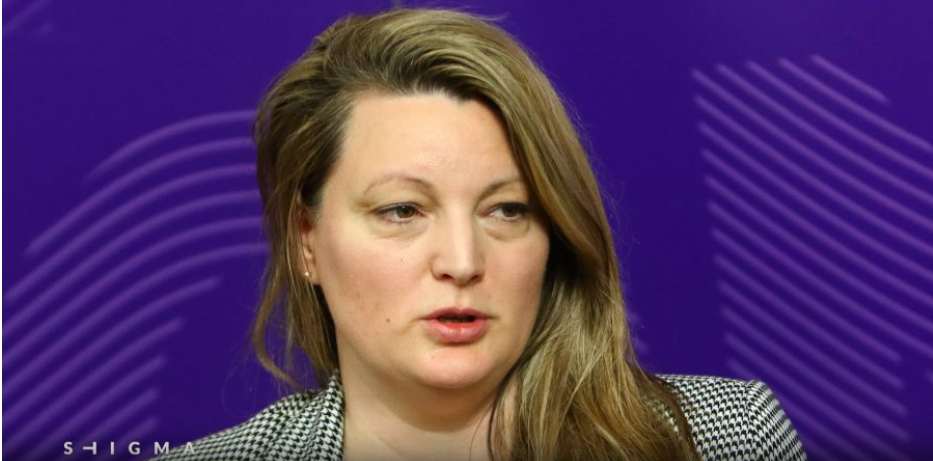
BELGRADE - The number of foreign workers in Serbia is measured in the tens of thousands, yet they are viewed exclusively as labor, and often become victims of exploitation, says Jelena Hrnjak from the organization Atina, emphasizing that people often forget they are individuals who, in their home countries, earn in a month what they can make in a single day in Serbia.
“They come from circumstances of such existential pressure that it is almost unimaginable to us. Yet they are not seen as people who travel thousands of kilometers from different countries, mostly from Asia and Africa, in search of dignified work and, in most cases, to support their families back home,” Hrnjak noted in FoNet’s Stigma series.
The program manager of Atina points out that many of them arrive in Serbia for the first time, do not know the language or culture well, and face significant uncertainty. Precisely because of these circumstances, they are more vulnerable to manipulation and exploitation, most often by those who employ them.
“They report that much of what was promised to them, even though they entered the country legally, is not fulfilled by employers. They do not receive regular wages; they work continuously without days off; their freedom of movement is unlawfully restricted; and their documents are confiscated. There have also been cases, most often involving women, of sexual abuse and sexual exploitation,” Hrnjak explains, representing an organization dedicated to protecting victims of human trafficking.
According to her, it is also evident that when problems arise, some professionals within institutions simply lack the time or willingness to address the situations in which foreign workers find themselves.
“When exploitation occurs, representatives of institutions, even though employers are the ones exploiting them, suggest contacting those same employers to ‘clarify’ the situation. This reflects a general lack of trust. Victims do not trust the system, but at the same time, the system does not trust victims. This creates a vicious cycle that leads to situations of violence that could have been prevented much earlier. However, this does not happen due to inaction, lack of knowledge, and a culture of silence that often prevails within institutions,” Hrnjak stated.
At the same time, foreign workers also face stigmatization from the local population in Serbia, often experiencing treatment similar to that faced by the Roma community.
“There is a paradox and a widespread belief that we are not a racist society. In doing so, we tend to overlook our treatment of the Roma population. Many people do not even perceive this as a racial issue. Among foreign workers, there is a clear sense and recognition that they are discriminated against based on race. For many years, we were under sanctions, isolated, and we did not inherit the legacy that the former Yugoslavia had. New generations have emerged, and this is reflected in the way we have become accustomed to treating minorities in our country, and this is also extended to these workers,” Hrnjak warned.
As an indicator of the treatment of foreign workers in Serbia, she also highlights the lack of precise data on their number.
“These individuals are essentially left to fend for themselves, and if they have any communication or contact, it is often only with people from their country of origin. There is a need to ensure that they have access to a phone number they can call, where they can explain, in their native language, what they have experienced here if a problem arises,” Hrnjak said.
In the meantime, foreign workers spend their days in Serbia hoping to return home.
“Most often, and this is perhaps the saddest thing you encounter when speaking with victims, many of them simply wish to go back home. Some eventually do return, after such negative experiences, regardless of whether an investigation has been initiated or whether any legal proceedings have taken place in Serbia,” Hrnjak concluded.
You can watch the video interview at: https://www.fonet.rs/tv/stigma/36808328/gorak-hleb-stranih-radnika.html



 FACEBOOK
 TWITTER
 YOUTUBE